



Introduction
Thailand is one of Southeast Asia’s most established manufacturing and export economies. Over the past decades, the country has built strong industrial capabilities supported by modern logistics infrastructure and international trade networks.
For businesses exploring sourcing opportunities in Asia, Thailand offers a balance between manufacturing quality, export experience, and supply chain stability.
However, understanding whether Thailand is the right sourcing destination depends on several factors.
Thailand’s Role in Global Trade
Thailand is a major global exporter across several industries.
Key export sectors include:
- electronics and electrical components
- automotive manufacturing
- rubber and latex products
- processed foods and agricultural goods
- cosmetics and wellness products
- jewelry and gemstones
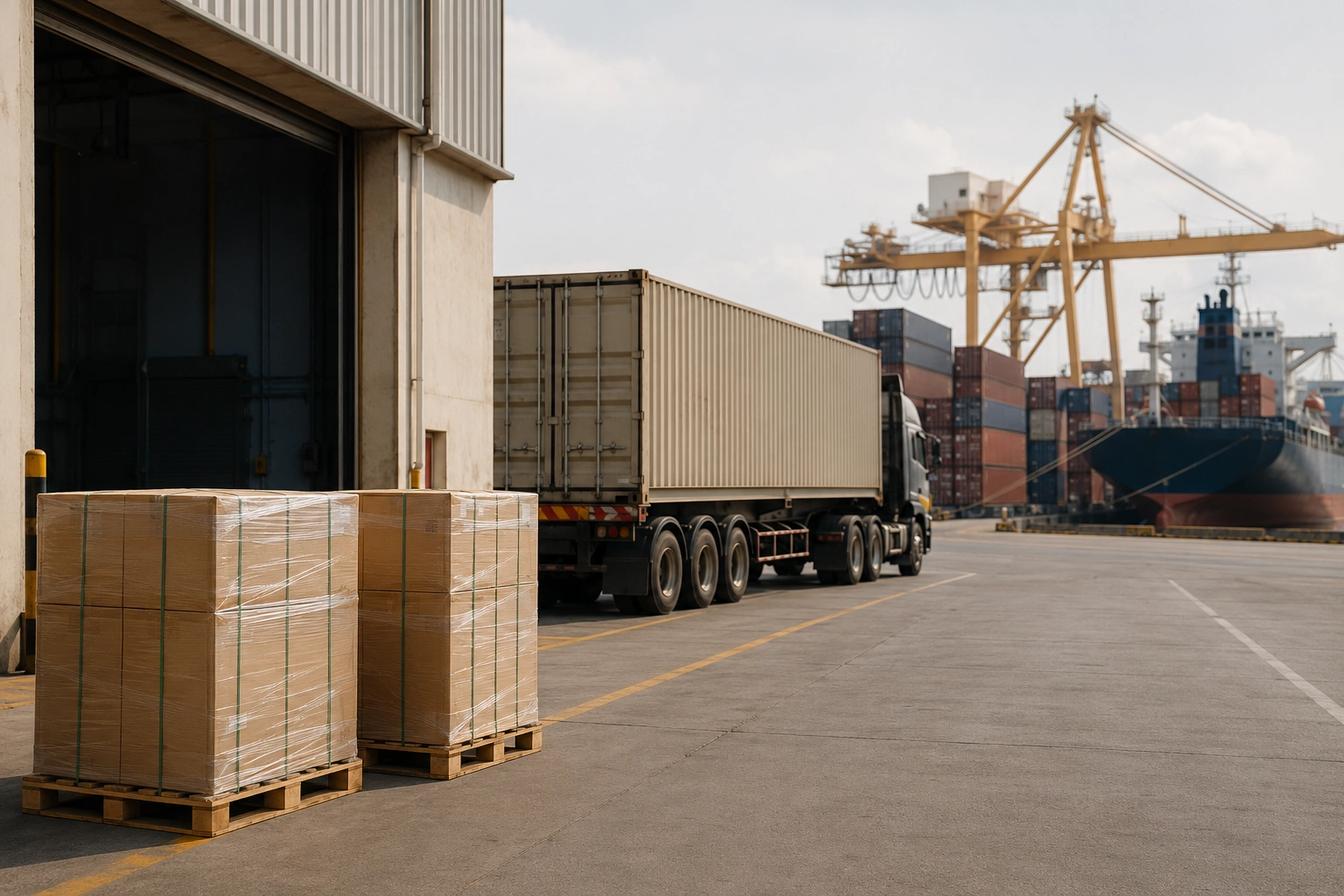
The country’s export ecosystem is supported by developed logistics infrastructure, including major ports such as Laem Chabang, which handles a significant portion of Thailand’s international cargo.
This infrastructure allows Thai manufacturers to serve global markets efficiently.
Manufacturing Capabilities and Supplier Networks
Thailand’s manufacturing base includes both large industrial producers and smaller specialized manufacturers.
This creates opportunities for:
- established brands seeking reliable suppliers
- businesses developing private label products
- distributors expanding sourcing portfolios
Many Thai manufacturers already export to markets such as Europe, Japan, Australia, and North America, which means they are familiar with international quality standards and documentation requirements.
Regulatory and Import Considerations
Before sourcing products from Thailand, importers must understand regulatory requirements in their destination market.
These may include:
- product certifications
- labeling requirements
- ingredient compliance (for food or cosmetics)
- safety standards
Understanding these requirements early allows suppliers to adapt packaging or documentation before production begins.
This prevents delays or compliance issues during the import process.
Logistics and Shipping Infrastructure
Thailand benefits from well-developed export logistics.
The country’s main export gateways include:
- Laem Chabang Port
- Bangkok Port
- several international cargo airports
These hubs connect Thailand to major shipping routes across Asia, Europe, and North America.
Efficient logistics infrastructure helps ensure stable shipping timelines and reliable international distribution.
When Thailand Is the Right Sourcing Destination
Thailand is particularly well suited for businesses that:
- value stable manufacturing ecosystems
- require consistent production quality
- want access to specialized product categories
- plan to develop long-term supplier relationships
Companies seeking short-term price advantages alone may overlook the long-term value of stable supplier partnerships.
Conclusion
Thailand’s manufacturing sector offers strong opportunities for businesses seeking reliable sourcing partners.
Understanding the country’s manufacturing strengths, logistics infrastructure, and regulatory environment allows importers to make informed sourcing decisions.
When approached strategically, Thailand can become a long-term sourcing base for international product development and distribution.