Private and white-label manufacturing in Thailand structured for export and destination compliance
WHY IT STARTS HERE
Product Customization as an Operational Process
Thailand has established manufacturing capability across multiple private and white-label product sectors.
For export markets, customization must be managed as an operational process. Packaging, labeling, and specifications must align with destination compliance before production begins.
Customization is not simply branding — it is coordinated execution that ensures products move from factory to market without disruption.
OUR PROCESS
Execution Framework
We prioritize clarity and feasibility before supplier engagement to ensure every sourcing decision is intentional and scalable.
Specification Definition
We formalize brand, packaging, and labeling requirements into precise factory documentation.
Manufacturing Integration
Customization details are coordinated directly with Thai production teams to ensure manufacturability.
Final Production Approval
Samples, packaging layouts, and final specifications are confirmed before production authorization.
Scope of Coordination
Packaging and labeling specification alignment
Finalization of production specifications
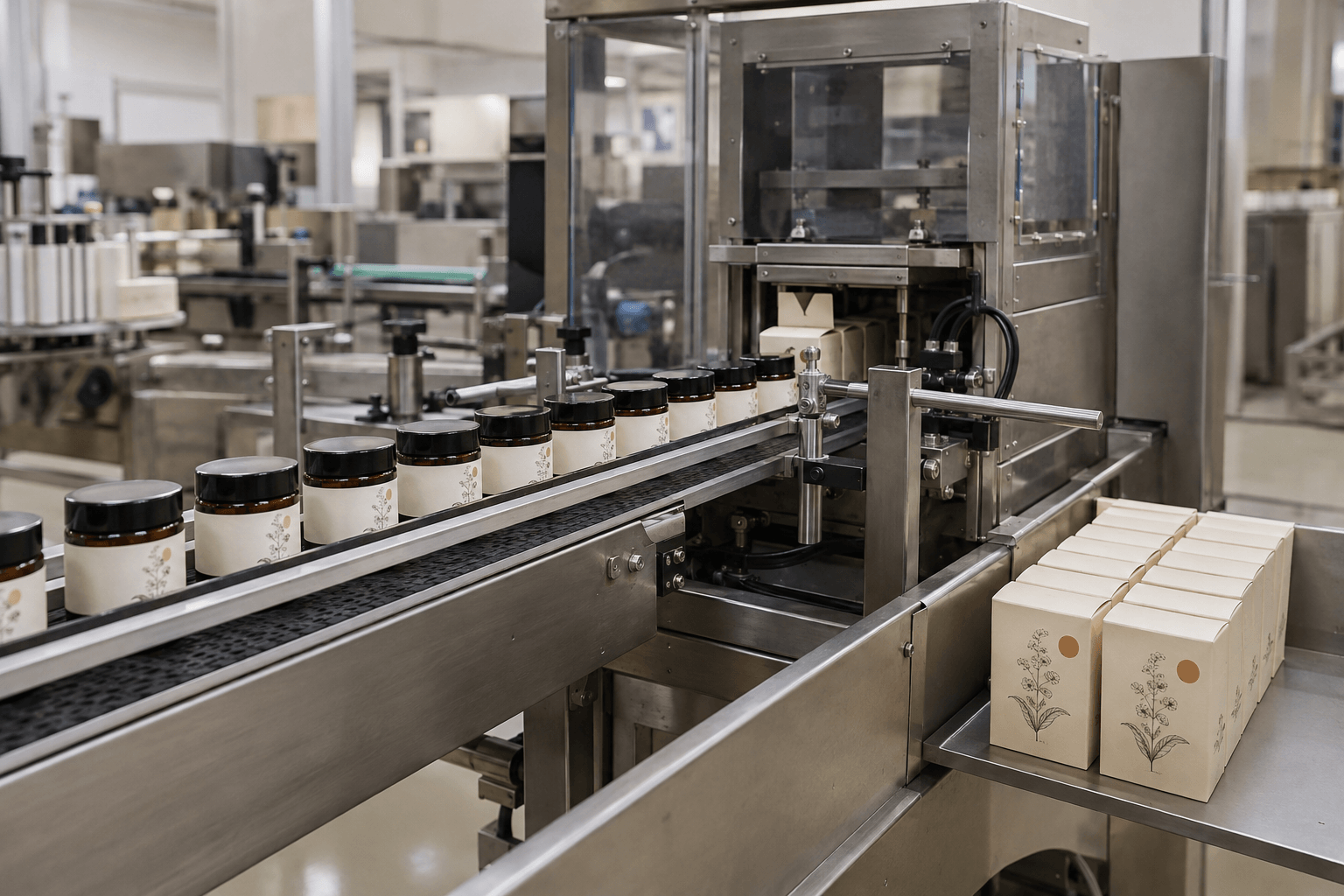
Private-label implementation at factory level
Direct manufacturer communication
Pre-production sample approval
THAI SOURCING INSIGHTS
OEM & Private-Label Execution in Thailand
Thailand is strong for private-label because many manufacturers run OEM/ODM programs with established packaging partners and export routines. The difference between a smooth launch and a painful one is usually spec ownership, sample control, and packaging readiness—not the product idea.
OEM vs ODM
Private label can refer to either OEM (you provide the formulation or specifications) or ODM (the factory provides a base formula and customizes it).
Reliable suppliers can clearly define key aspects such as formula ownership, ingredient substitution policies, and whether your product is tied to a specific reference sample.
If a factory cannot clearly explain how they manage reformulation, raw material changes, and version control, it often leads to inconsistencies between batches — especially in categories like cosmetics and herbal products.
The Approval Package That Prevents Rework
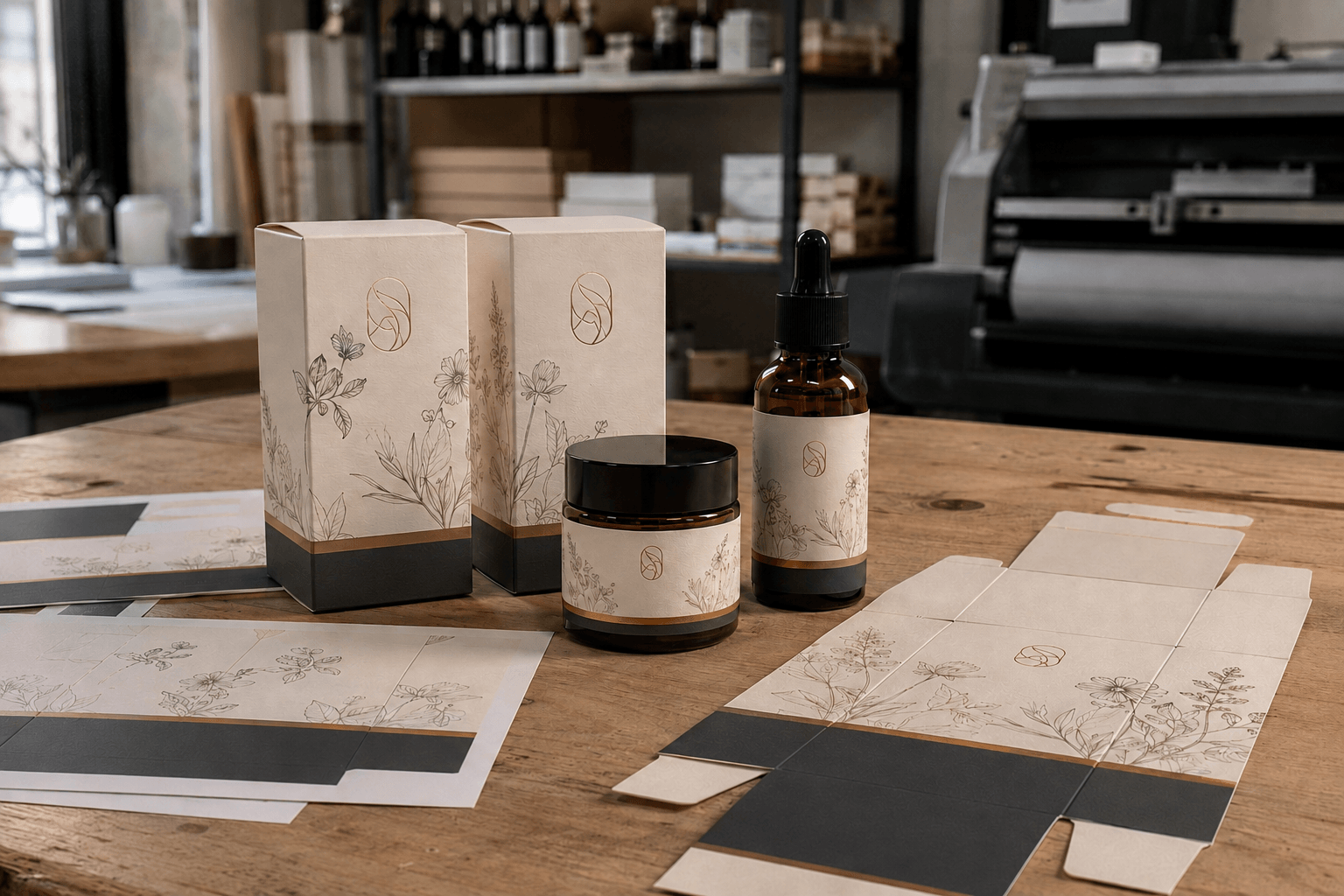
Thai factories execute best when approvals are treated as a technical pack, not a chat conversation. A “clean” approval set usually includes: spec sheet, approved artwork + dielines, approved reference (“golden”) sample, packaging material spec (label stock/finish/adhesive), carton markings, and a final bill of materials.
The most common export headaches come from gaps here: the product is fine, but labels/cartons are wrong, barcodes are misplaced, or packaging text doesn’t match the commercial invoice description—creating delays and expensive reprints
Packaging Supply Chain
Packaging is often supplied by specialized packaging printers and converters, not produced by the product factory. That means packaging can become the critical path: print minimums, cylinder/plate setup, lead time for cartons/labels/tubes, and delivery to the factory before the production slot opens.
Even if a factory can produce quickly, launches slip when packaging is still “in progress,” which is why experienced buyers lock packaging files and materials before booking production.