Independent supplier verification and quality control to reduce risk before production and shipment
WHY IT STARTS HERE
Oversight at Origin
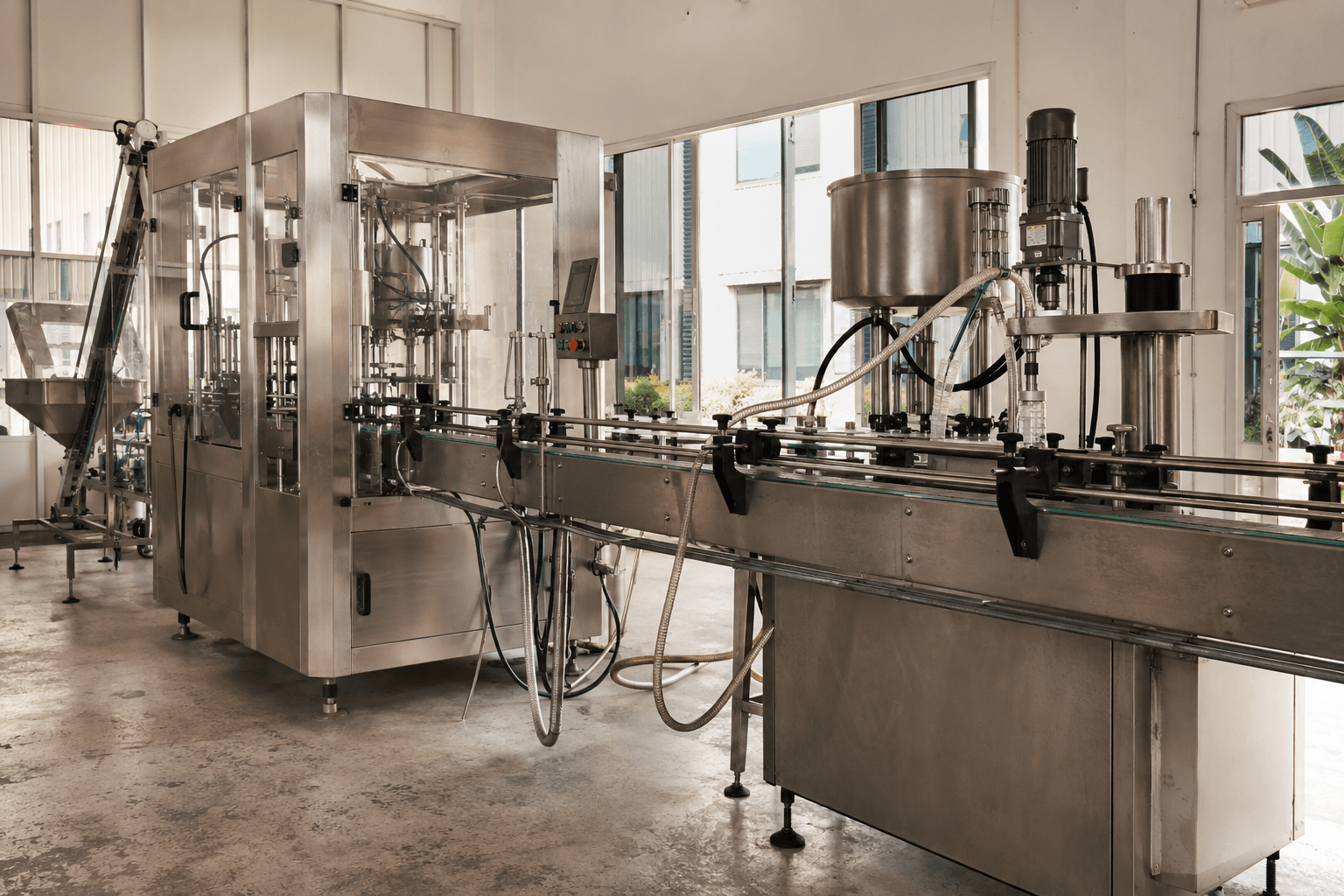
Thailand’s manufacturing sector offers experienced suppliers across a wide range of industries.
Before production begins, capacity, quality processes, and documentation standards must be clearly aligned to ensure smooth execution.
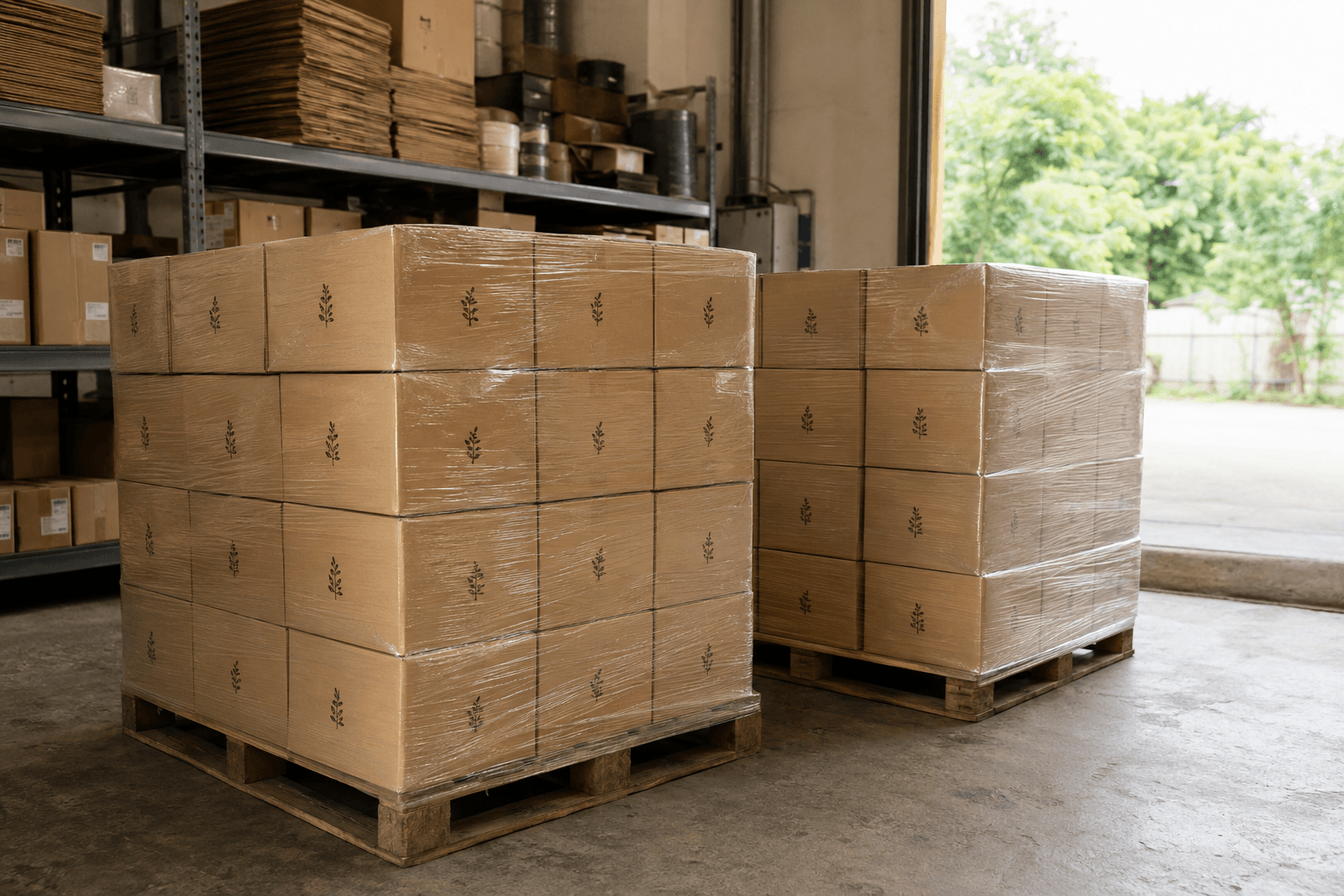
We confirm supplier readiness on the ground — so production and shipment proceed with clarity and control.
OUR PROCESS
Primary Supplier Risk Factors
We prioritize clarity and feasibility before supplier engagement to ensure every sourcing decision is intentional and scalable.
Capability Alignment
Limited visibility into supplier capacity and resources can affect production and delivery timelines.
Quality Consistency
Inconsistent quality processes may impact output standards and delivery performance.
Documentation Compliance
Incomplete or misaligned documentation can affect customs clearance and shipment timing.
Verification Outcomes
Supplier verification summary
Documentation and certification review
Production capability assessment
QC checkpoint plan
Decision-ready recommendation and next steps
THAI SOURCING INSIGHTS
Thailand Factory Reality Check
Verifying a supplier in Thailand goes beyond confirming registration. The real objective is understanding who controls production, how operations are structured, and whether the factory can consistently execute export orders.
Where Export Factories Concentrate
A large share of Thailand’s export manufacturing is concentrated around the country’s main industrial corridors, particularly within the Eastern Economic Corridor (EEC) covering Chonburi, Rayong, and Chachoengsao. These provinces host many export-oriented factories due to their proximity to Laem Chabang Port, Thailand’s largest deep-sea port and a primary gateway for container exports.
Location matters operationally. Factories positioned within these industrial zones generally benefit from shorter domestic transport times, easier container booking coordination, and greater access to logistics providers when shipment schedules tighten.
Factory vs Trading Company
Thailand’s export landscape includes both direct manufacturers and trading companies coordinating production across multiple factories. Neither structure is automatically problematic, but the operational risks differ depending on who controls the production schedule and quality checkpoints.
During verification, the key question is not simply whether a supplier “has a factory,” but who manages the production slot, who oversees quality control during manufacturing, and who ultimately handles export documentation and shipment handover under the agreed Incoterm.
Verification That Actually Reduces Risk
Effective supplier verification focuses on operational signals rather than surface credentials. This includes confirming where critical production steps take place, how production lines are configured, and whether the factory’s capacity realistically matches the lead times being offered.
Quality control procedures are another key indicator—specifically how inspections are performed during incoming materials, in-process production, and final shipment preparation. Inconsistent answers about capacity, timelines, or defect handling often indicate operational uncertainty rather than a structured manufacturing process.