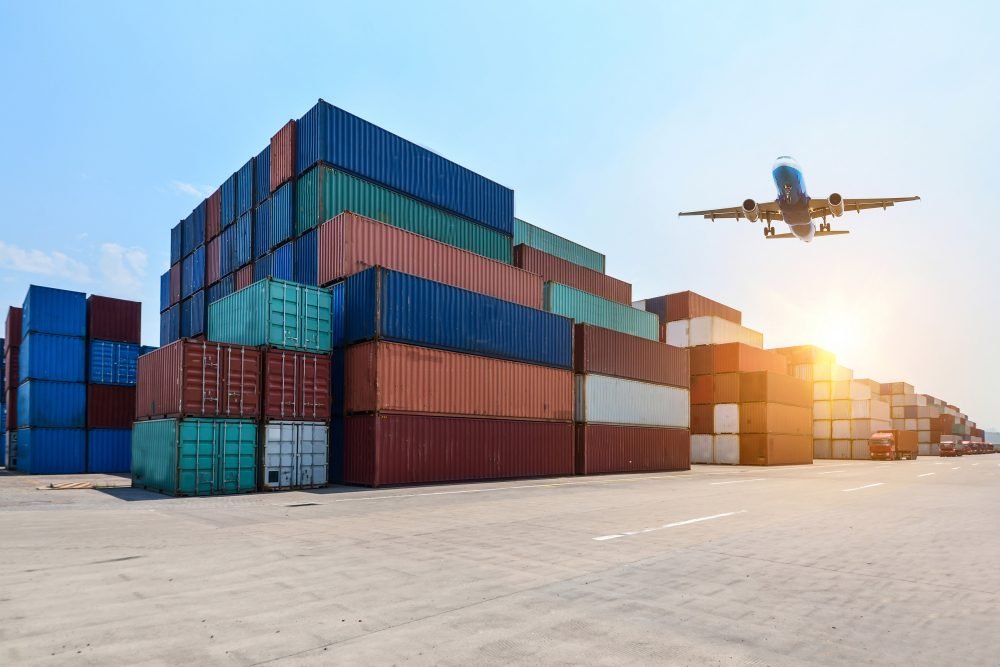
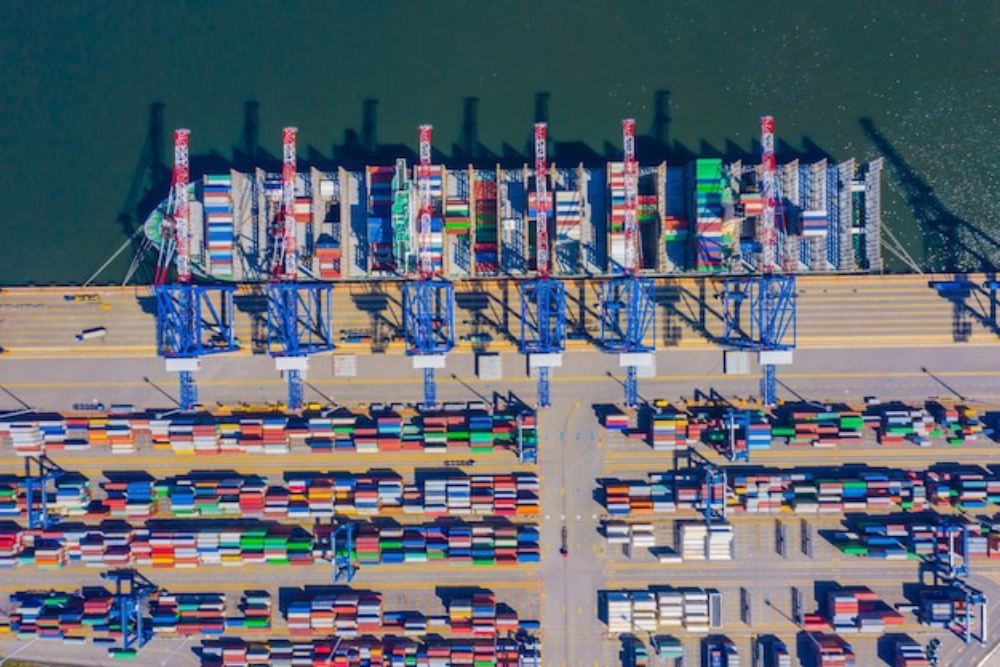
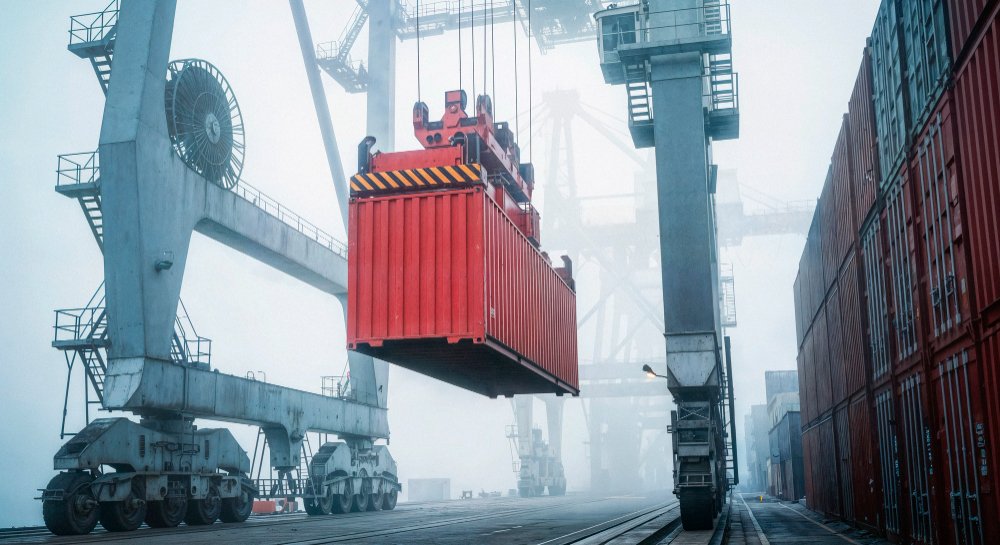
We coordinate shipping, freight, documentation, and delivery requirements to ensure your products move efficiently from Thailand to their destination.
SIAMERA TRADE
Cross-Border Shipping Coordination
International shipping from Thailand requires structured coordination between manufacturers, freight forwarders, carriers, ports, and customs authorities at both origin and destination.
Execution reliability depends on synchronized documentation, booking precision, cargo readiness, and disciplined timing across all involved parties.
THAILAND’S STRENGTHS
Core Shipping Execution Stages
A structured coordination flow from factory release to final delivery
Production Release & Cargo Readiness
Final production confirmation, quality release, export packing, and cargo measurement verification must be completed before freight booking activation.
Freight Booking & Carrier Selection
Freight space is reserved with ocean or air carriers based on shipment volume, urgency, routing, and cost structure. Booking accuracy directly impacts transit reliability.
Container Loading & Cargo Handover
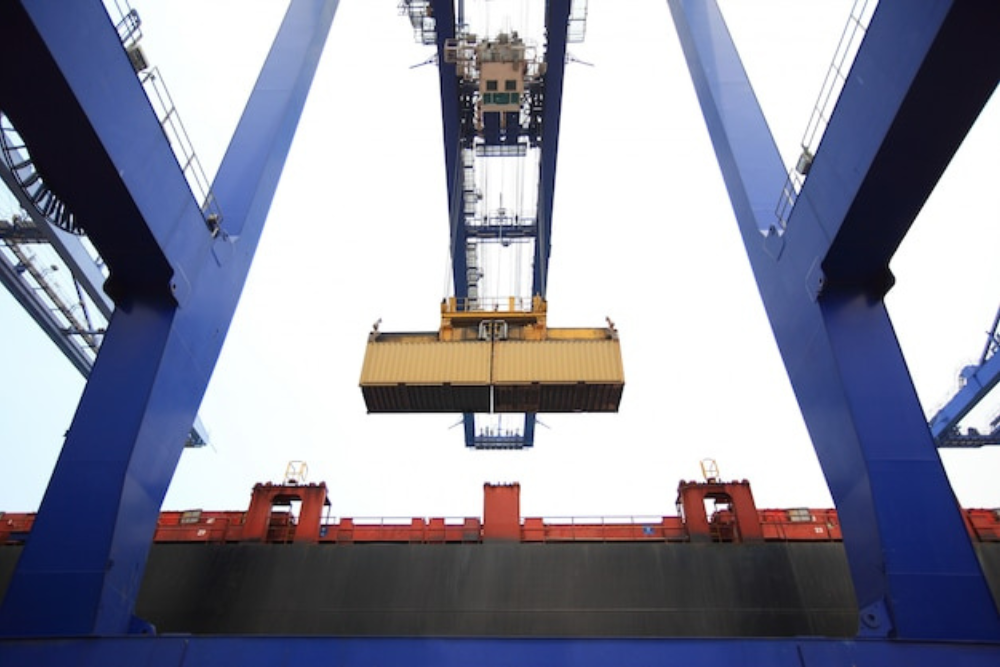
Container pickup, stuffing supervision, sealing, and transfer to the port terminal are coordinated within designated carrier cut-off schedules.
Origin Port Processing
Terminal handling, export declaration, carrier documentation issuance, and vessel departure confirmation are completed before departure.
International Transit Monitoring
Vessel or flight status, transshipment movements, and schedule adjustments are actively monitored throughout transit.
Destination Arrival & Delivery
Customs release, port clearance, container release, and inland transport to the final warehouse are completed upon arrival.
Shipping Risk Factors
Operational disruptions may impact shipment timing, cost control, and overall delivery performance.
Documentation Inconsistencies
Inconsistent commercial invoices, packing lists, or HS classifications may delay customs clearance and trigger additional inspections.
Incoterms Misalignment
Unclear responsibility for freight, insurance, or customs clearance may lead to cost disputes and operational gaps during shipment execution.
Transit Disruptions
Carrier rollovers, high terminal volumes, or route adjustments may extend transit times beyond planned delivery schedules.
Post-Booking Cargo Adjustments
Adjustments to weight, volume, or container allocation after booking confirmation may trigger penalties, rebooking, or schedule delays.
Multi-Party Coordination Gaps
Breakdowns in communication among suppliers, forwarders, carriers, and brokers may lead to missed cut-offs and preventable shipment delays.
Destination Customs Holds
Incorrect declarations or compliance gaps may result in customs holds, storage fees, or additional verification at the destination.
The Importance of Execution Control
Successful shipments depend on disciplined execution control across every operational stage.
Key Execution Control Points
Shipping reliability is driven by disciplined execution at key operational checkpoints.
Confirming cargo readiness before booking space with the carrier
Verifying container condition and correct loading supervision
Aligning export customs filing timing with vessel cut-off deadlines
Ensuring shipping documents are finalized before departure
Monitoring schedule changes and responding immediately to vessel rollovers
SIAMERA TRADE
Execution Defines Performance
Reliable shipping performance is driven by execution control, not speed alone. Every shipment is managed with careful planning, coordinated communication, and consistent oversight.
Clear ownership, accurate documentation, and proactive coordination keep goods moving smoothly from factory to destination.