



Introduction
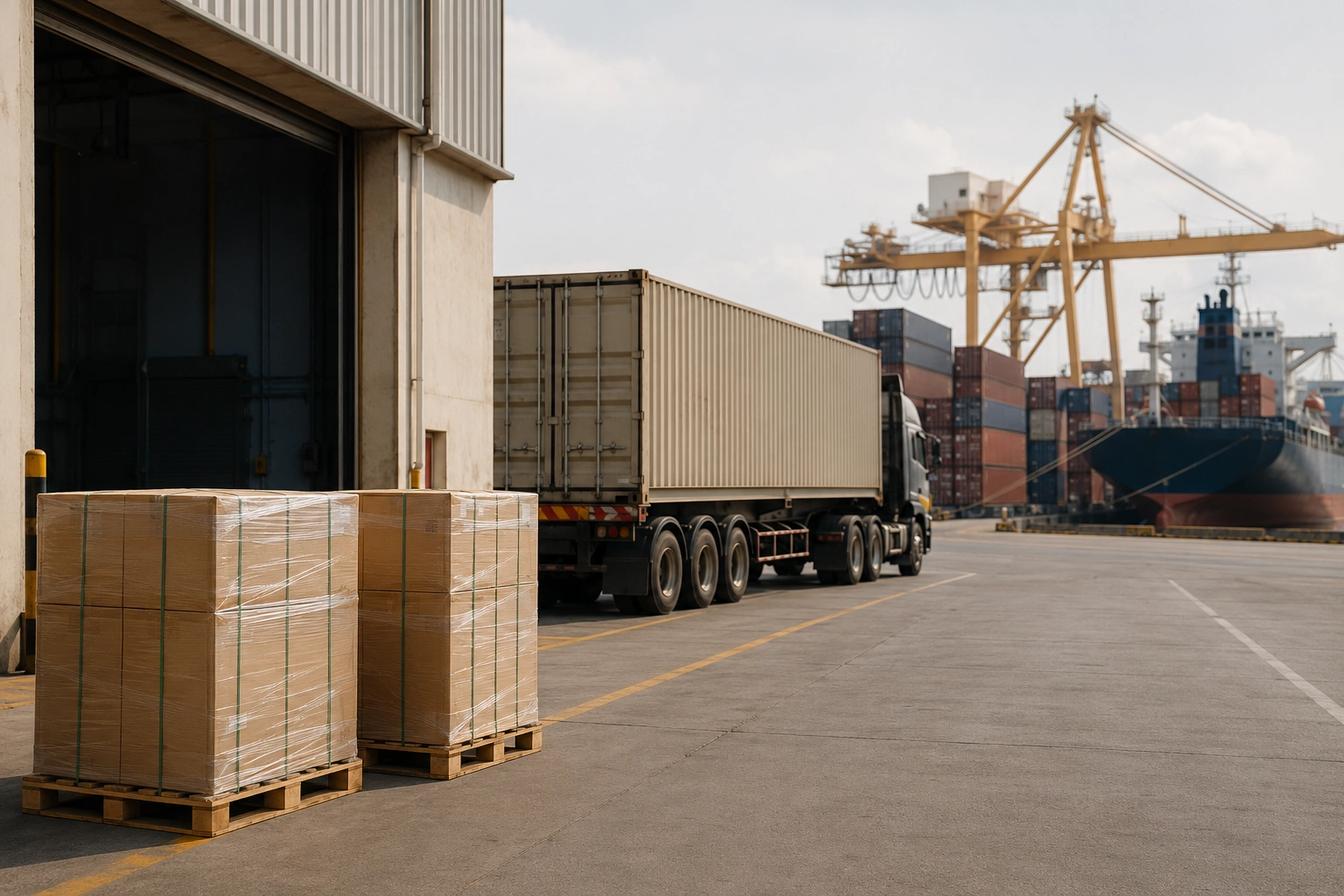
International sourcing involves multiple parties working together across different countries.
A typical import project may involve:
- manufacturers
- logistics providers
- freight forwarders
- customs brokers
- distributors
Coordinating these participants effectively is essential for maintaining reliable supply chains.
Supplier Coordination
The first stage of import execution begins with supplier coordination.
This includes aligning production schedules, confirming product specifications, and preparing export documentation.
Clear communication with manufacturers ensures that production timelines match shipping schedules.
Logistics and Freight Planning
Once production is complete, goods must be transported from the factory to the export port.
This stage includes:
- container booking
- freight forwarding coordination
- export documentation preparation
- port handling
Freight planning helps ensure shipments move efficiently through international logistics networks.
Customs and Import Compliance
Importing products requires compliance with customs regulations in the destination country.
This process often involves:
- customs declarations
- product documentation
- import duties and taxes
- regulatory approvals
Accurate documentation helps prevent customs delays and ensures smooth entry into the destination market.
Delivery and Distribution
After customs clearance, goods move into domestic distribution networks.
This may include:
- warehouse storage
- regional distribution
- delivery to retailers or customers
Coordinating the final stage of delivery ensures that products reach the market efficiently.
Conclusion
Managing international imports requires coordination across multiple operational stages.
From supplier communication to logistics planning and customs clearance, each step must be carefully managed to maintain stable supply chains.
Businesses that implement structured sourcing processes can significantly reduce operational risks and build reliable international partnerships.