We ensure your products, documentation, certifications, labeling, and regulatory requirements are properly aligned for smooth and compliant import execution.
SIAMERA TRADE
Import Compliance & Market Alignment
Regulatory compliance is determined by the standards of the destination market. Supplier documentation supports the process — but does not replace importer responsibility.
When sourcing from Thailand, labeling, product classification, and certification must be reviewed before production and shipment. Early compliance verification prevents downstream disruption.
THAILAND’S STRENGTHS
Key Areas of Regulatory Alignment
Compliance alignment between Thai export documentation and destination-market regulations.
HS Classification & Customs Coding
Accurate HS classification determines duties, import eligibility, and regulatory scope within destination-market requirements. Misclassification can result in customs holds or financial penalties.
Destination-Market Regulatory Scope
Each importing country defines product-specific regulatory requirements depending on category and market classification. Compliance must align with the destination market — not the country of origin.
Labeling & Language Requirements
Ingredient disclosure, safety instructions, country-of-origin marking, and language formatting must reflect destination regulations prior to production and packaging.
Certification & Conformity Documentation
Certain product categories require testing reports, conformity declarations, or sector-specific approvals before shipment. Verification must occur before production completion to prevent compliance delays.
Export Documentation Process Control
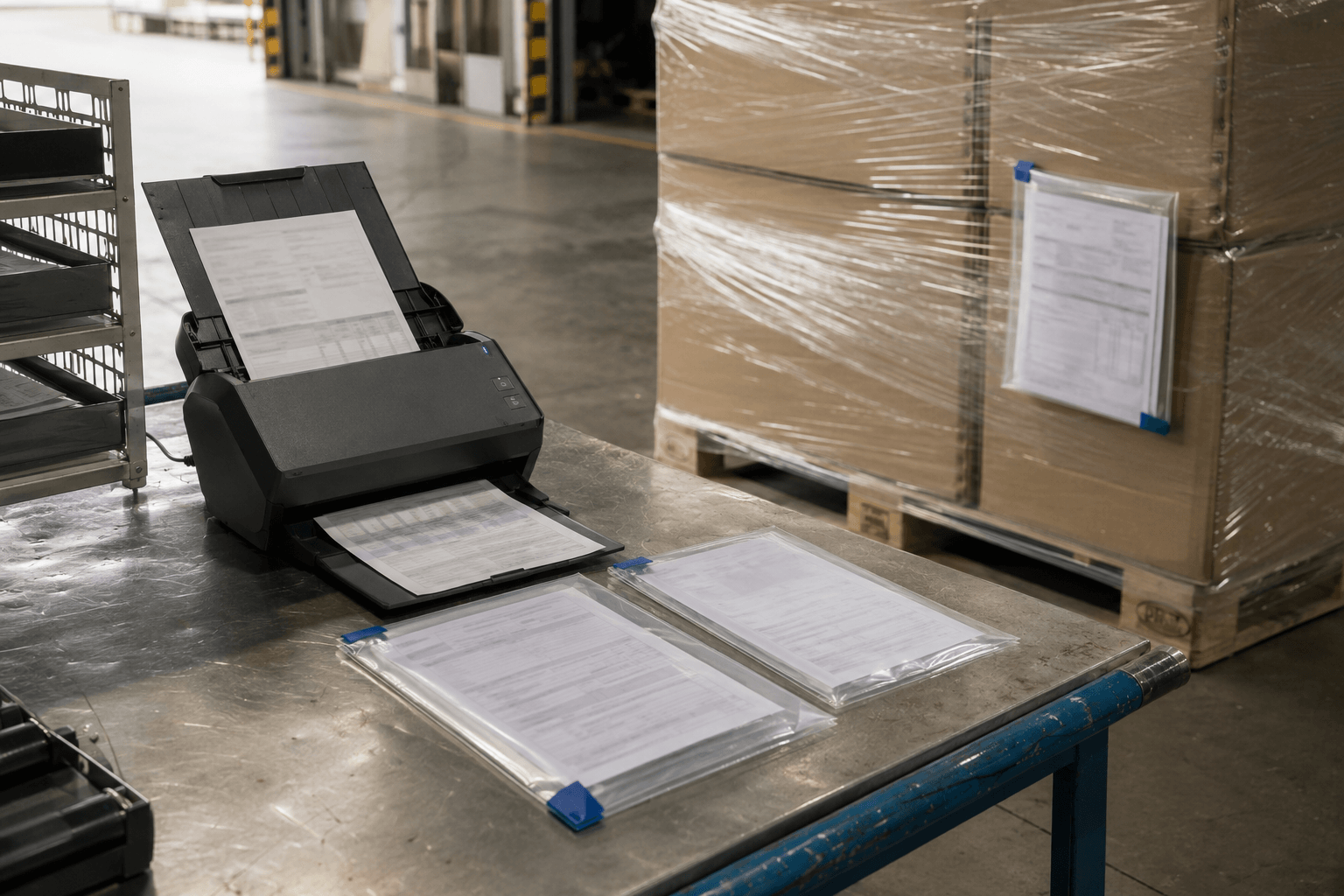
Commercial invoices, packing lists, certificates of origin, and shipping documents must remain fully consistent across all submission stages to prevent customs delays or clearance issues.
Pre-Shipment Compliance Verification
Final verification prior to cargo dispatch ensures that labeling, documentation, and regulatory declarations fully align with destination-market import requirements.
Pre-Shipment Compliance Verification
Regulatory requirements influence production, labeling, and shipment eligibility long before dispatch.
Production Redesign
Late regulatory review may require label redesign, packaging adjustments, or revised product declarations.
Retesting Requirements
Incorrect certification scope can require additional laboratory testing before shipment.
HS Code Reclassification
Misclassification may trigger revised duties, customs inspection, or administrative penalties.
Shipment Rescheduling
Compliance gaps identified after production can delay dispatch and disrupt supply planning.
Additional Storage Costs
Held shipments may incur port storage or demurrage fees while documentation is corrected.
Market Entry Delays
Incomplete regulatory alignment can postpone product launch timelines in the destination market.
Compliance Risk Area
Compliance risks often arise from incomplete verification, documentation gaps, or late regulatory checks during international sourcing.
Typical Breakdown Points in Import Execution
Import issues often occur when compliance and documentation are confirmed too late in the process.
Common breakdowns include:
Checking certifications only after production is finalized.
Inconsistencies across invoices, packing lists, and regulatory documents.
Finalizing labels without confirming destination market requirements.
Relying on supplier declarations without proper verification.
Confirming compliance too late, causing shipment delays.
SIAMERA TRADE
Regulatory Integration in Execution
Regulatory Integration in Execution Compliance extends beyond documentation — it shapes product customization, labeling decisions, shipment eligibility, and customs clearance readiness.
When regulatory alignment is integrated early, execution remains stable from production through final delivery.